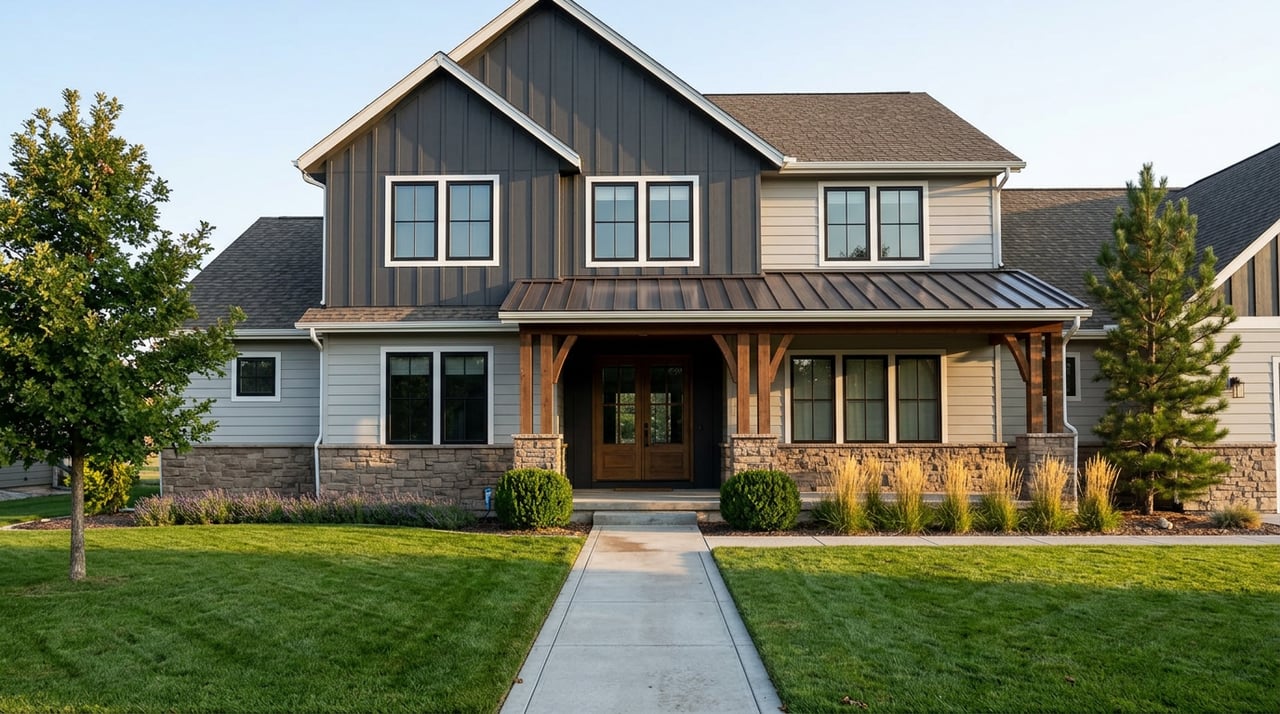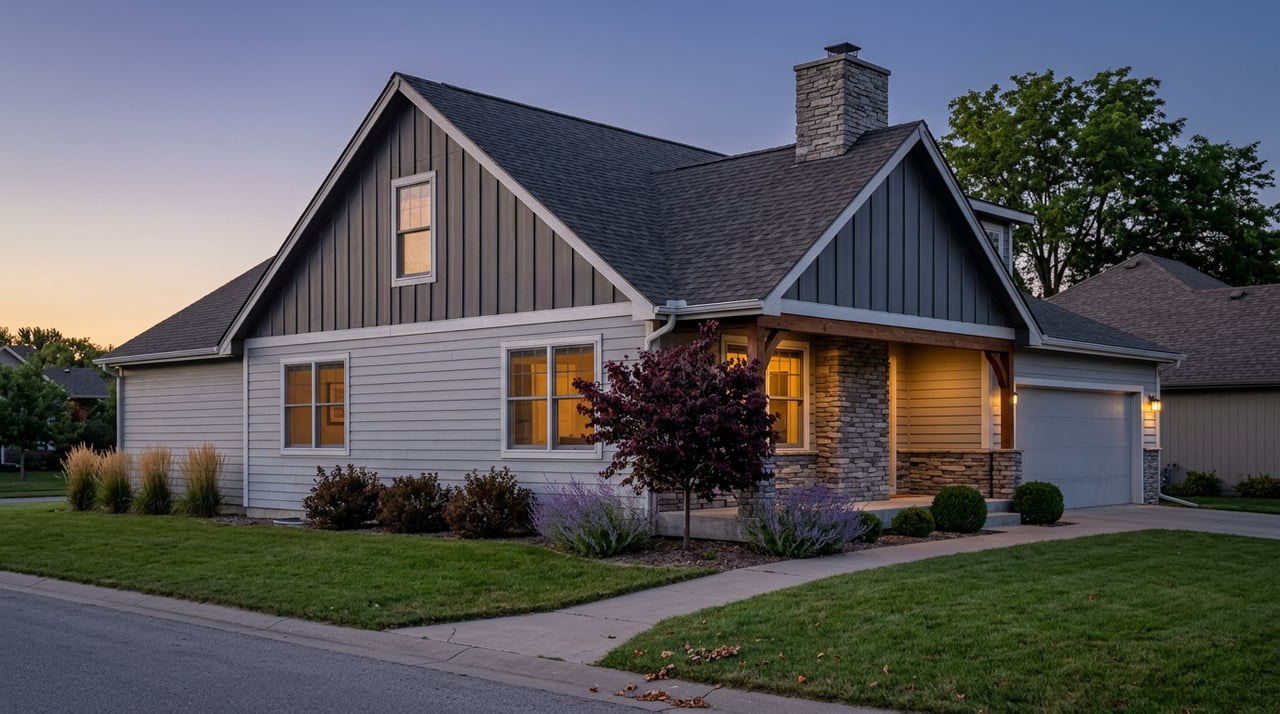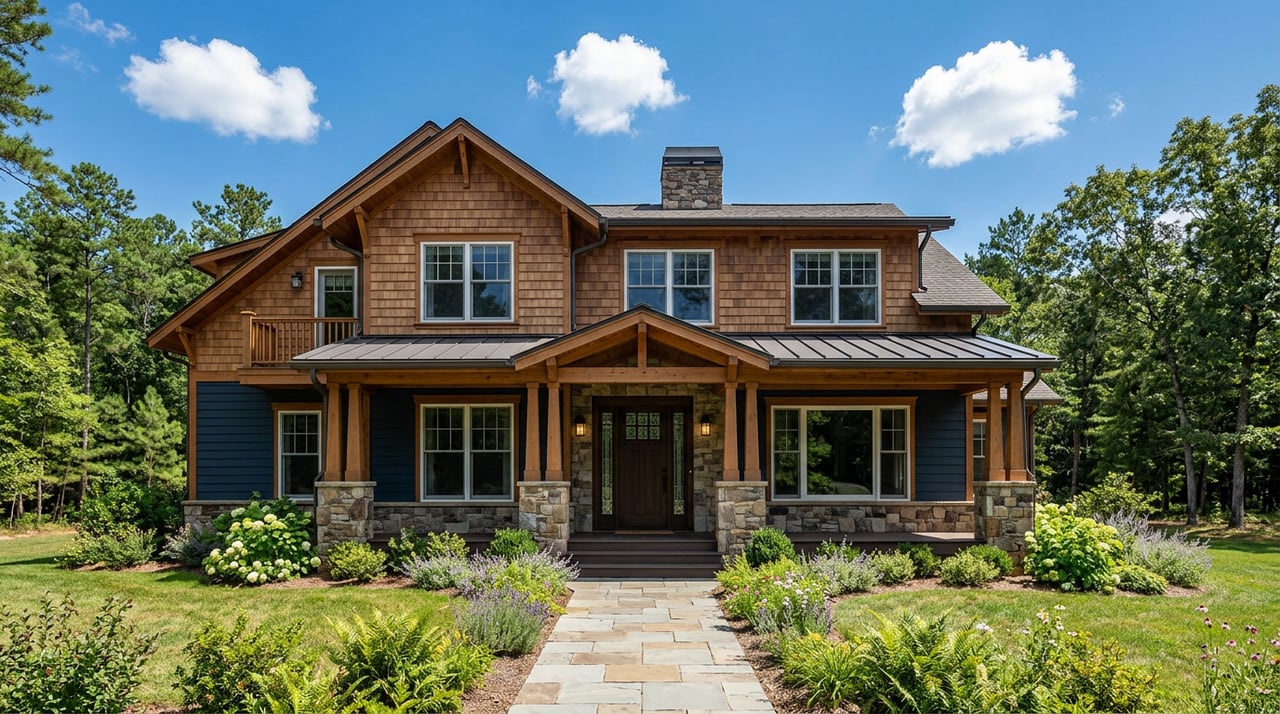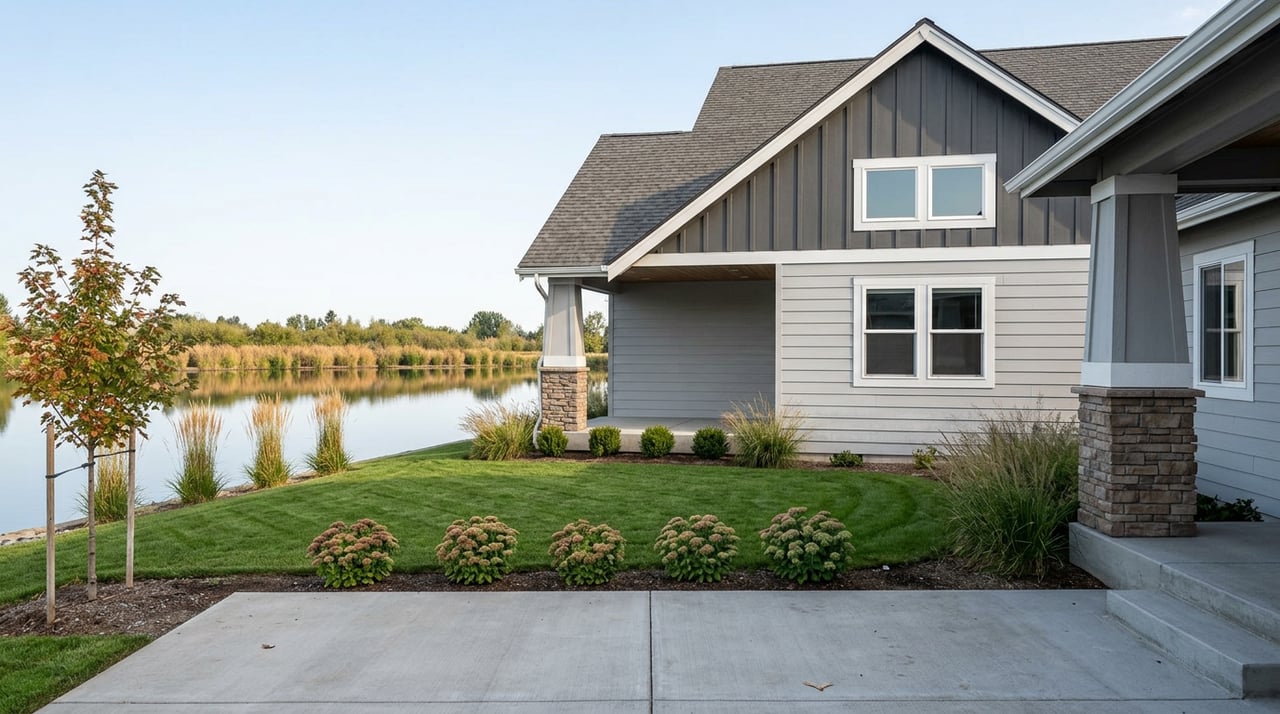
Under Section 45-507, a subcontractor who framed, insulated or roofed your new home can record a lien against it up to 90 days after finishing the work. Under Section 45-506, that lien can take priority over your mortgage even if you closed weeks earlier. Idaho law also gives you a way to see that risk before you sign. Most buyers never use it.
The tool is a signed list. Under Section 45-525, before closing on newly built residential property, the general contractor has to give you, in writing, the business name, address and phone number of every direct subcontractor, supplier and rental-equipment provider whose work or materials on the home were worth more than $500. Everyone on that list is legally authorized to tell you, or your agent, what they're still owed. For anyone buying one of Stillwater's last new homes, or a resale that was finished recently, this list matters more than anything else in the closing packet.
Why the timing works against the buyer
Idaho's lien law ties claims to when the work was done, not to when the deed changes hands. That means your closing date doesn't decide much. Here's how the clock runs once a subcontractor finishes its part of a home:
| When | What the statute allows | Section |
|---|---|---|
| Work or materials finished | The claimant's clock starts | 45-507 |
| Within 90 days of that | Lien recorded with the county recorder | 45-507(2) |
| Within 5 business days of recording | Copy served on the owner or reputed owner | 45-507 |
| Within 6 months of recording | Foreclosure filed, or the lien stops binding the property | 45-510(1) |
Two other rules raise the stakes. Under Section 45-506, a mechanic's lien has priority over liens, mortgages and encumbrances that attach later. Under Idaho's relation-back rule in Section 45-505, the lien's priority generally dates to when that work or supply began under the contract. Under Section 45-501, Idaho also treats builders and contractors as the owner's agents for lien purposes. So work started while the builder owned the lot can still reach the property after you own it.
A title search can only find liens that have already been recorded. If a supplier finished last month and hasn't been paid, its claim may not exist on paper on your closing day. The window for that supplier to record it stays open after you have the keys. A North Idaho title company makes the same point in its new-construction FAQ, warning that a lien recorded after closing may still get priority based on earlier work.
What the builder has to hand you, in the statute's own words
Section 45-525 opens by stating its purpose:
"This section is intended to protect owners and purchasers of residential real property by requiring that general contractors provide adequate disclosure of potential liens."
The section requires two separate documents. The first comes before you contract. On any contract over $2,000 to buy newly built property, the general contractor has to give you a disclosure statement that you sign to acknowledge receiving. It tells you that you have the right to:
- Require the general contractor to get lien waivers from its subcontractors, at your reasonable expense.
- Get proof that the contractor carries general liability insurance with completed-operations coverage, plus the workers' compensation coverage Idaho requires.
- Be told you can buy an extended title insurance policy that covers certain unfiled or unrecorded liens.
- Require a surety bond of up to the value of the project, at your expense.
The second document is the subcontractor and supplier list, due "within a reasonable time prior to" closing. The list has limits. It only covers firms hired directly by the general contractor, so a sub-subcontractor won't appear. The contractor also isn't liable for errors outside its personal knowledge. Even so, it's the only document in the deal that names the people who could later file a lien and authorizes them to tell you their balance. Not providing complete disclosures counts as an unlawful and deceptive practice under the Idaho Consumer Protection Act.
How this has played out at Stillwater
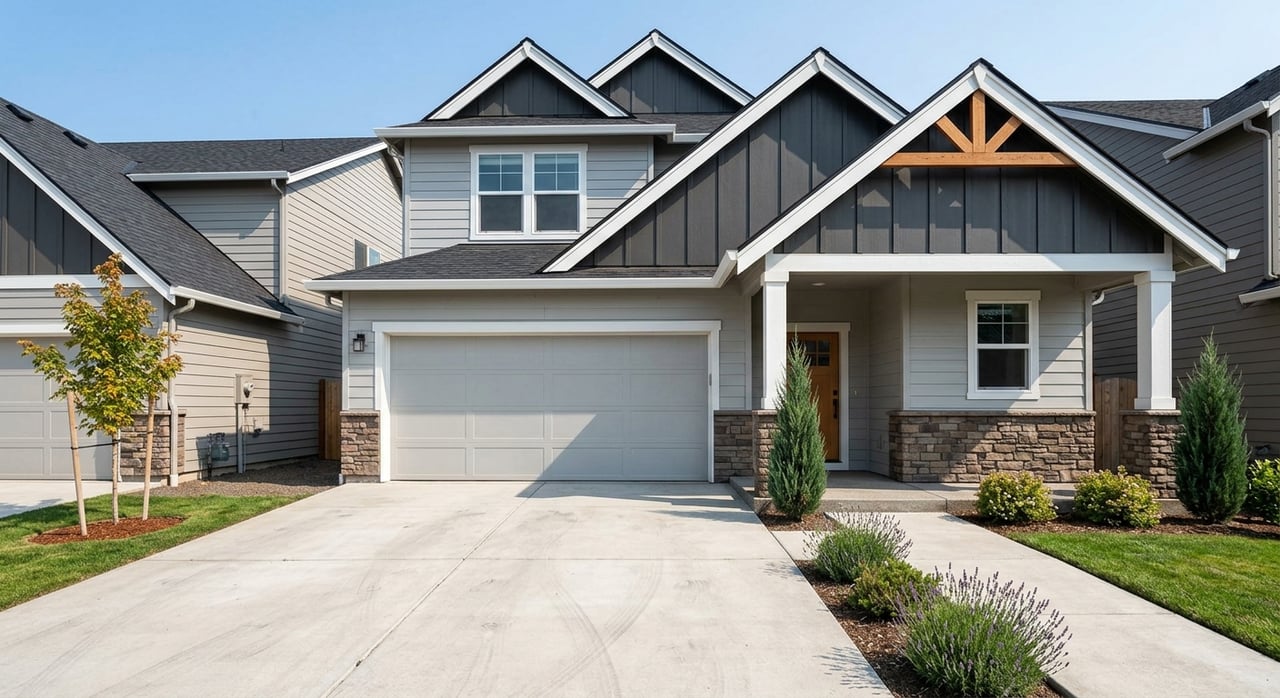
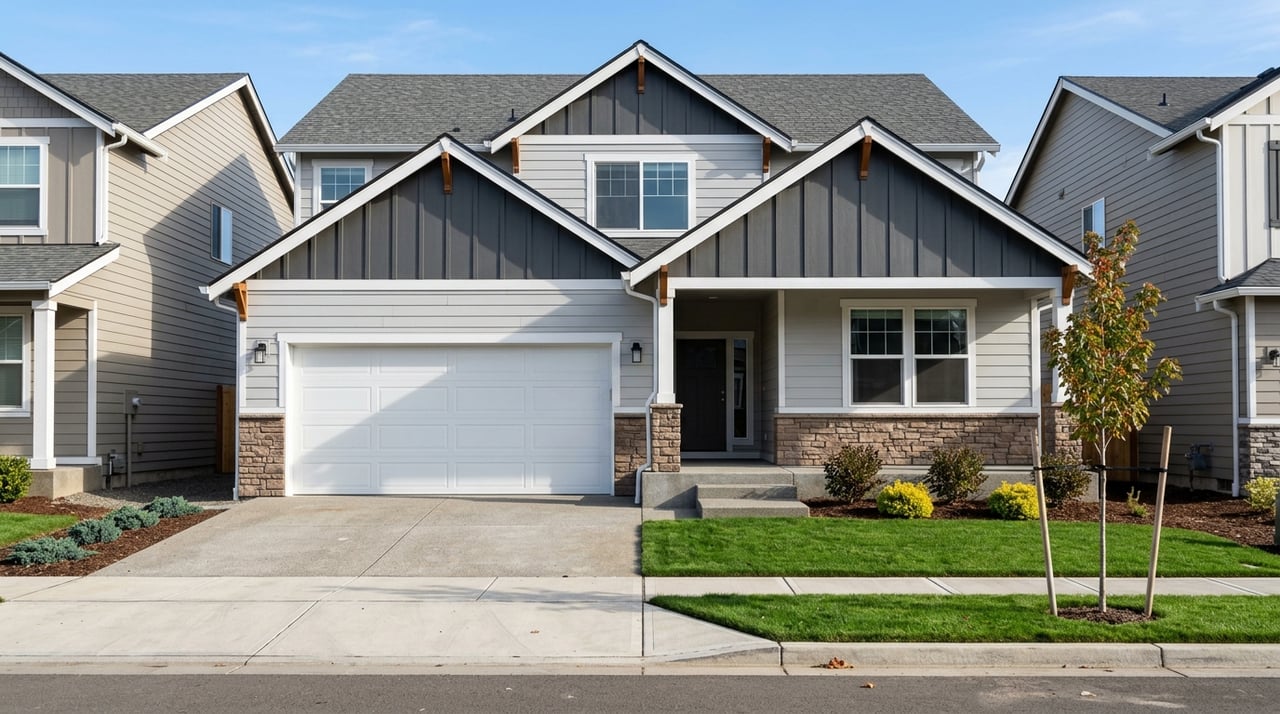
Stillwater is a 40-acre mixed-use project on Highway 44, with patio homes, townhouses and plans for eight commercial buildings. Its first city planning approvals date to 2016. The project's website says RSI Construction builds all of its homes. BoiseDev reported in December 2025 that most of the residential section was built out, while the waterfront homes at the far southern end were still in progress as of summer 2025. If you're buying one of those later homes, or a resale that was finished recently, the 90-day window may still be open.
The same BoiseDev story described court filings related to work at the subdivision. These are allegations as reported. RSI asked the court to dismiss the claims in the two cases still open, and we found no later reporting on how they turned out.
- Bicandi Construction, based in Boise, moved in June 2025 to foreclose on a lien. It says it's owed $23,650 for construction work at Stillwater, and the lien itself was filed at the end of December 2024. The story said a trial was tentatively set for August 2026.
- Marv's Insulation filed to foreclose on a lien for $2,075 in insulation work at the development. Both parties agreed to dismiss that case on December 4, 2025.
- Action Garage Door, based in Meridian, sued in July 2023 over $16,957 for three garage doors installed at the subdivision. That case was dismissed by agreement in February 2024.
- Cole Architects filed a breach-of-contract suit over design work that included a pool house and a retail building. A hearing was set for February 2026.
The point of the list is how these claims work, not a judgment about who was right. Each lien or suit came from a subcontractor or supplier, the same kind of business Section 45-525 makes the builder name. Listing a firm doesn't settle what it's owed. It gives the buyer a phone number to call before closing instead of a recorded lien to deal with after.
The holdback that turned into its own dispute
One more Stillwater filing involves the escrow holdback, a closing tool buyers rarely think about. In May 2023, a homeowner filed in small claims court for $4,960, alleging construction defects and unfinished warranty items, including chimney flashing the homeowner said was never installed and light circuits that didn't work as designed. RSI said it hadn't been properly notified. Less than a month later, it filed its own small-claims suit for $4,450, saying the homeowner had broken the contract by "failing to release funds on an escrow holdback for work completed." The homeowner responded that the work had caused additional defects.
A holdback keeps money with the escrow agent until conditions written into the purchase and escrow instructions are met. The money can only be released on terms someone wrote down. In this case, the builder and the homeowner disagreed about whether the work was finished. We found no Idaho source that sets a standard holdback percentage, length of time or release formula. Each holdback is only as clear as the instructions written for that deal. If you're buying a Stillwater home with punch-list items open at closing, write the release conditions item by item, with a date and a named person who signs off.
What to request, and from whom
Put these requests in writing early, while you still have room to negotiate:
- The pre-contract disclosure from the builder, signed by you, with a copy for your records.
- The signed subcontractor and supplier list before closing, early enough to call each firm about any open balance.
- Lien waivers from the firms on that list, which the statute lets you require at your reasonable expense.
- Proof of the builder's insurance, both the liability policy with completed-operations coverage and workers' compensation.
- The owner's title policy wording, from your title officer. Idaho's Department of Insurance explains that a lender's policy protects only the lender, and that a buyer whose owner's policy doesn't cover a contractor's lien on a new home can ask about adding an endorsement. That guidance dates to 2015, so confirm the current forms with your title company. Kootenai Title lists extended coverage, lien waivers and, in some cases, indemnity or escrowed construction disbursements as the usual ways to manage new-construction lien risk.
None of this is legal advice. A title officer, an escrow officer and a real estate attorney can tell you how these tools apply to a specific contract.
A few direct answers
Does this matter if I'm buying a resale, not from the builder? The 90-day window runs from when each claimant finished its own work, not from the first sale. For a home finished within the past few months, ask the title company to check for recorded liens and ask about coverage for unrecorded ones. Section 45-525 doesn't require a separate seller "no-lien" affidavit, and we found no source showing a standard Idaho affidavit practice. Ask what your title company requires.
What happens if a lien gets recorded and nobody follows up? Under Section 45-510, a lien stops binding the property six months after it's filed unless the claimant starts foreclosure in that time. Idaho cases summarized by ALFA International also hold that the lien is lost against anyone not named as a party within that six-month period.
Does a small punch-list fix restart the 90 days? Idaho construction-law guidance says courts generally measure the deadline from substantial completion of the claimant's contract, and trivial punch-list work usually doesn't restart the clock.
If you're writing an offer on a newly built Stillwater home, The Shackelford Group can help you set the dates for the Section 45-525 disclosure, the subcontractor list and any holdback release conditions in the purchase agreement. That way you have every name on the list, and its balance, before you sign at closing.