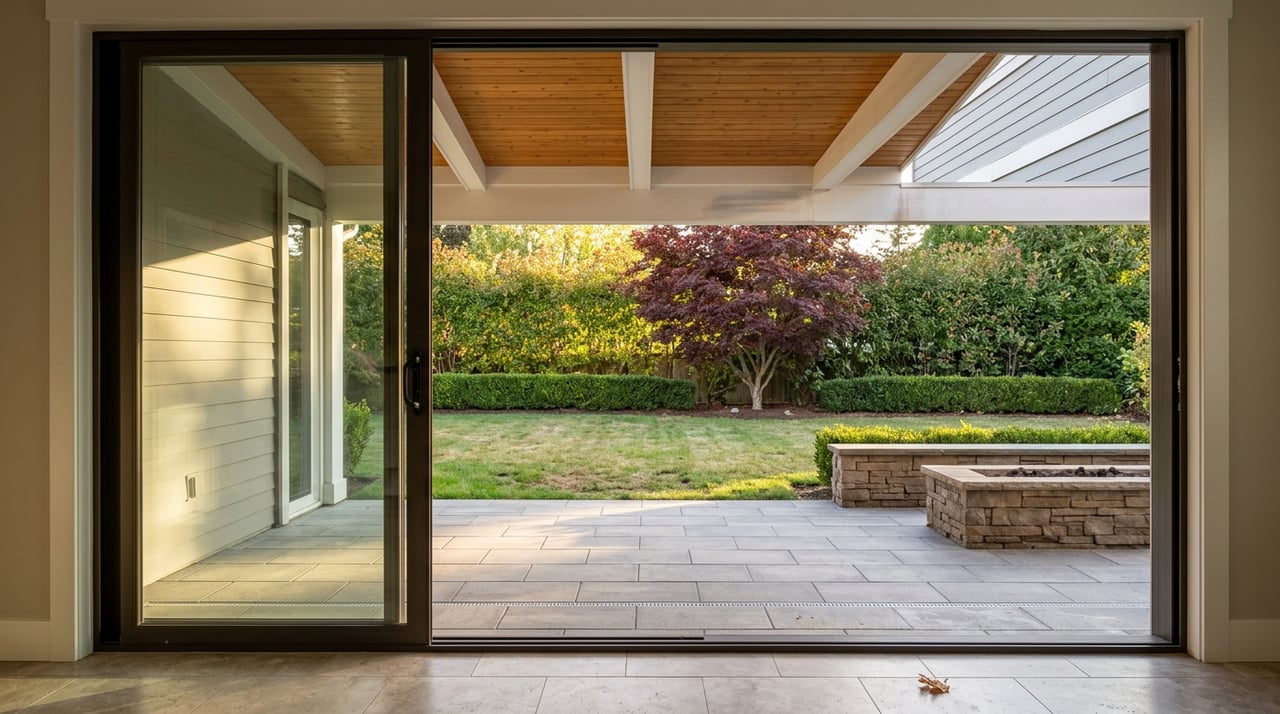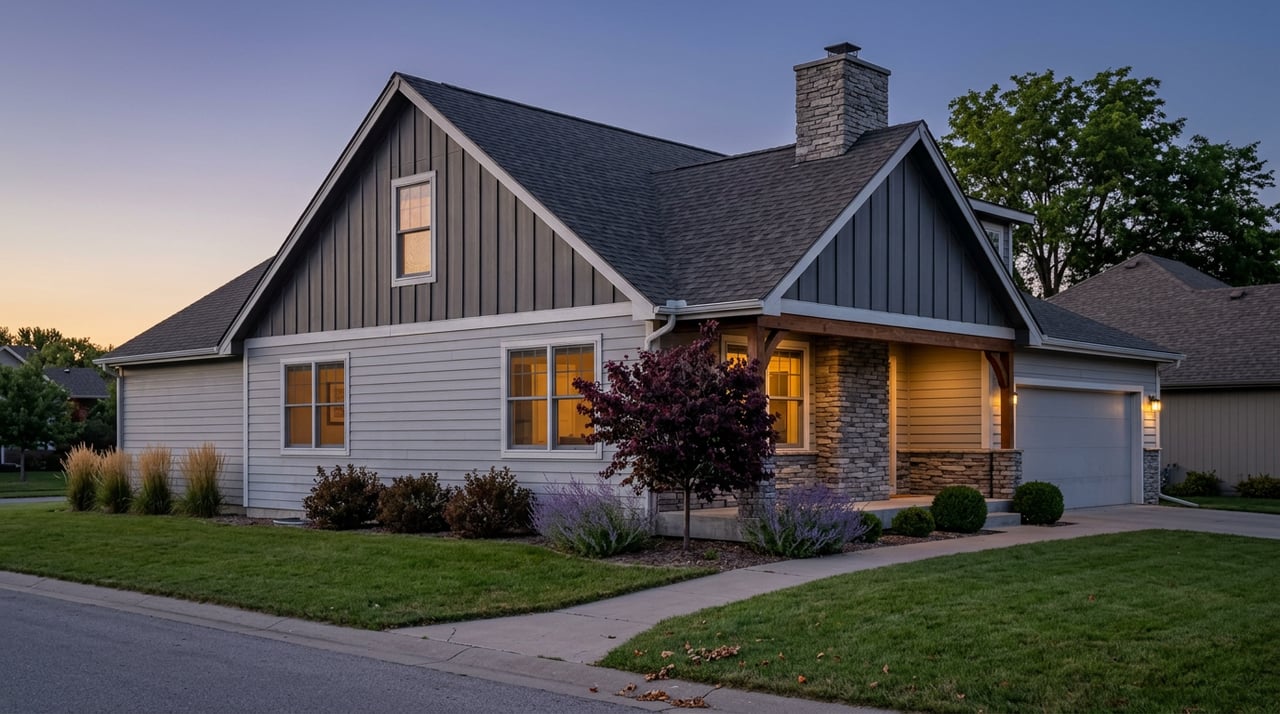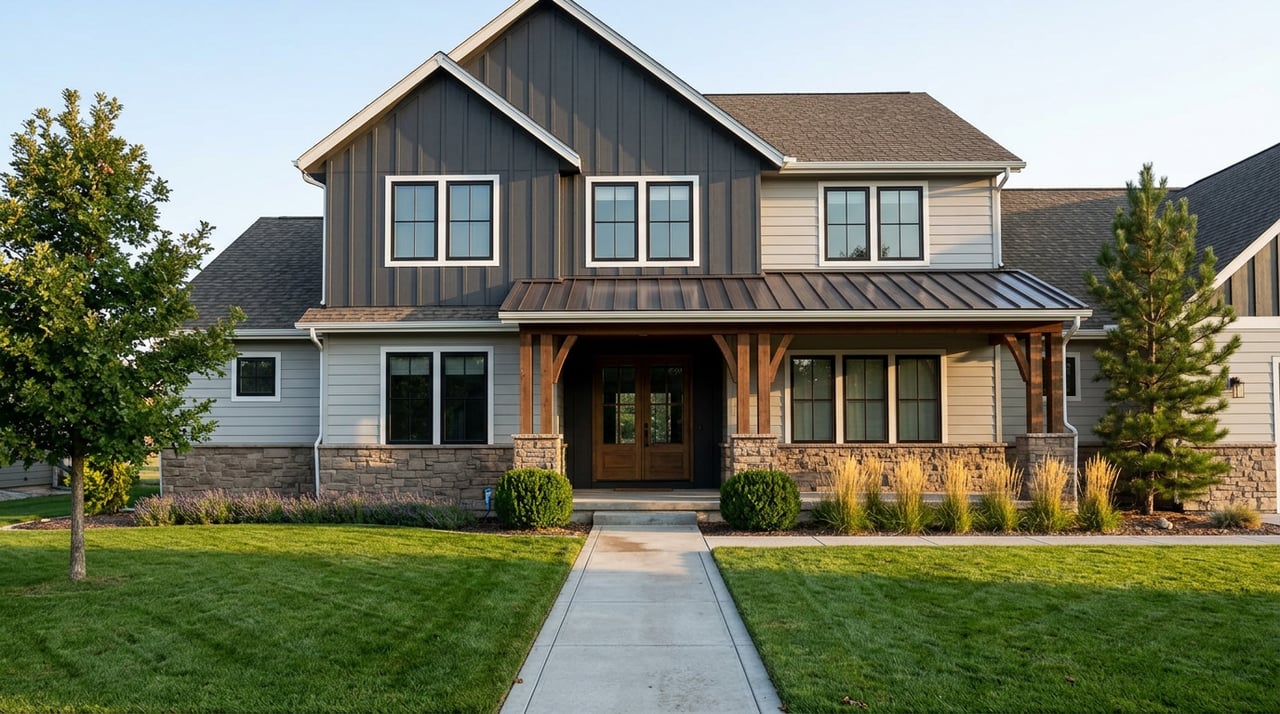
Ask a seller in River Walk whether their lot sits inside a mapped flood zone, and Idaho's paperwork doesn't require an answer. Not directly. The state's Seller's Property Condition Disclosure Form, the one every residential seller in Idaho has to complete and deliver within ten days of an accepted offer under Idaho Code Title 55, Chapter 25, doesn't include a flood zone question anywhere on it. A fifty-state legal review of flood disclosure laws graded Idaho an F, noting the mandatory form asks whether there are specific problems with drainage or basement water, but nothing that would surface a FEMA-mapped flood hazard area on its own. Idaho's own 2026 disclosure guidance confirms the gap still stands: the state has no requirement that a seller tell a buyer whether the property carries flood risk.
That matters everywhere in the Treasure Valley. It matters more in a community built and marketed on its water.
Two kinds of waterfront, one flood map
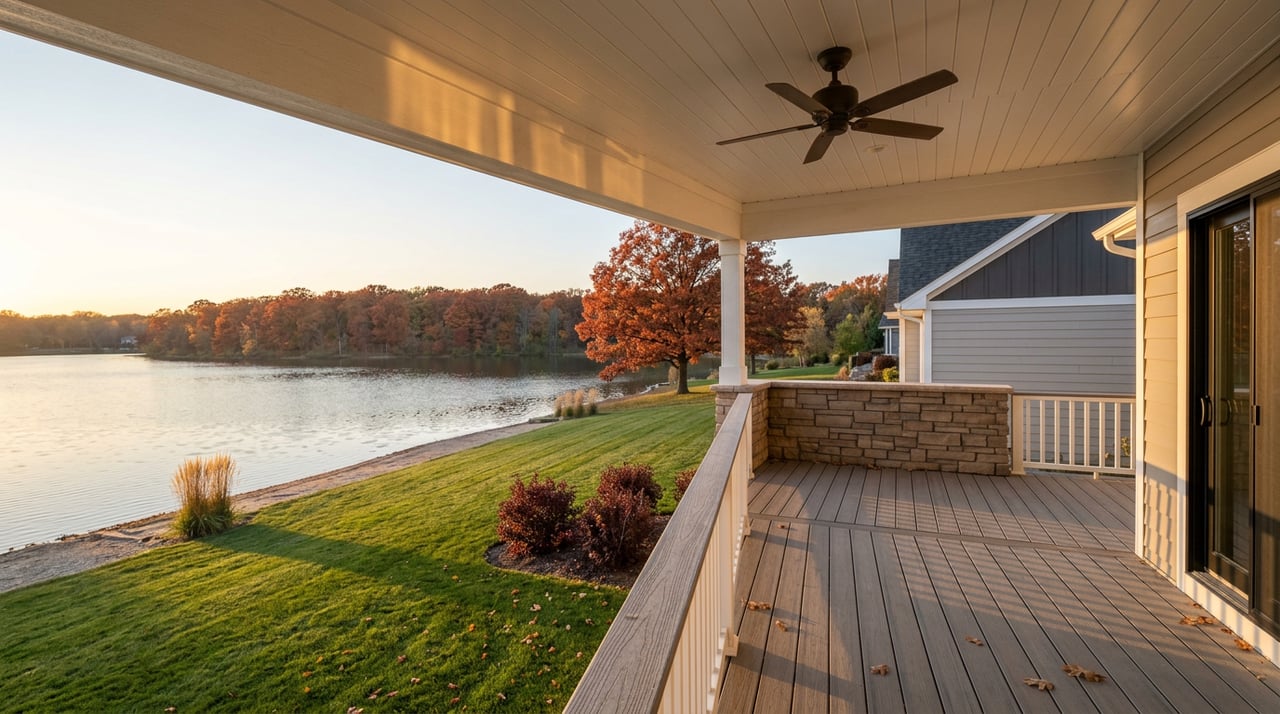
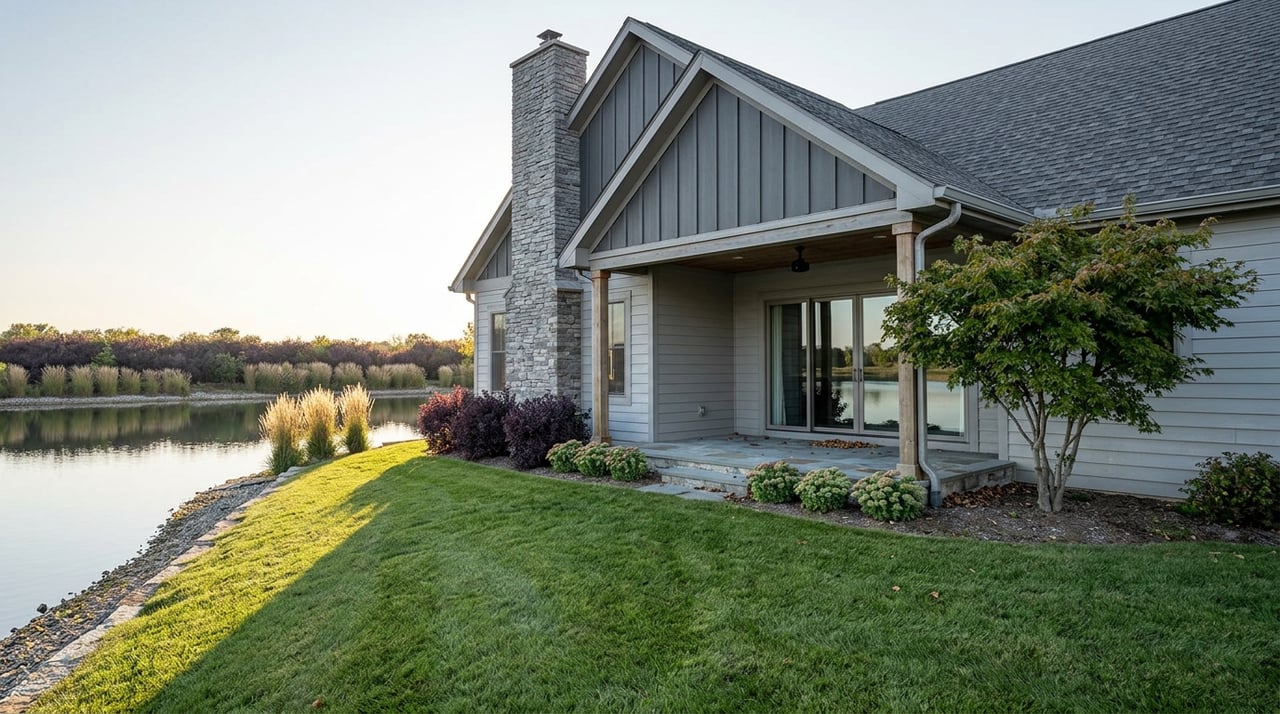
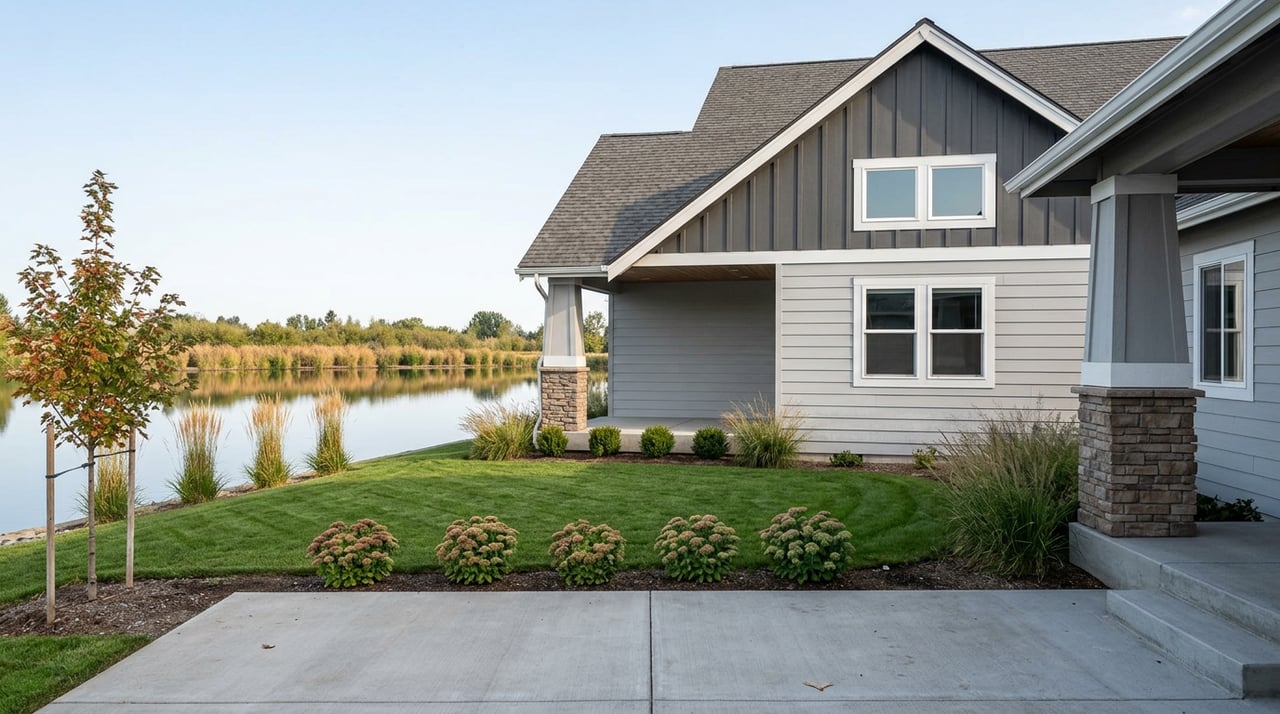
River Walk in Middleton sells itself on proximity to the Boise River, and the marketing is accurate as far as it goes. River Walk Ranch, the development anchoring the River Walk District, spans a half mile of actual Boise River frontage across roughly 160 acres, according to BoiseDev's reporting on the project. But waterfront in this community covers two physically different things. Some lots face the river channel itself. Others surround the constructed ponds that give parts of the community their water views, a short distance inland from the river but still marketed as waterfront property.
Only one of those categories sits inside the geography FEMA actually studies when it draws a Special Flood Hazard Area. A pond built as part of a subdivision's amenity design isn't the same hydrological feature as a river channel with a documented history of overtopping its banks. A lot backing onto a pond can carry a real premium in the listing price and still land in FEMA's Zone X, the designation that doesn't trigger a federal insurance mandate. A lot on the actual river frontage is the one more likely to come back as Zone A or AE, the designations that do.
The disclosure form doesn't distinguish between the two. It doesn't ask about either one.
Where the question actually gets asked
The flood zone question doesn't disappear. It moves. If you're financing a River Walk purchase with a federally regulated or government-backed loan, your lender has to pull an independent flood zone determination on the exact address before closing. If that determination lands inside a Special Flood Hazard Area, federal law requires the lender to confirm you carry flood insurance for the life of the loan. This isn't a suggestion tucked into a packet. It's a closing condition, and it runs on the lender's timeline, not the seller's.
That sequence is worth understanding before you write an offer. The Idaho disclosure form can come back clean on flood risk, not because the seller hid anything, but because the form was never built to ask. The insurance requirement, if one exists, surfaces later, during underwriting, sometimes close enough to closing that it changes your payment estimate at the worst possible moment to renegotiate anything.
Middleton has already lived through this once
This isn't a risk invented for a new sales pitch. A Boise River corridor remap pulled a Middleton subdivision, bordered by Mill Creek Slough, into a newly drawn 100-year floodplain boundary, according to Idaho Press reporting on the FEMA open house held in Caldwell at the time. The homeowners hadn't flooded. The map moved. The concern residents raised at that meeting was financial, not structural: a floodplain designation meant a mandatory insurance requirement on any federally backed loan tied to the property going forward.
That single remap added more than 3,900 acres to the Canyon County floodplain and removed about 2,041 acres elsewhere, a reminder that these maps aren't static. They get redrawn periodically based on updated engineering, and a boundary can shift on a given parcel whether or not anything about the land itself has changed.
FEMA has since updated flood maps along the Boise River corridor again in 2026, with reported changes touching stretches through Meridian, Star, Eagle, and Caldwell. Middleton sits on the same river, inside the same ongoing federal mapping cycle, which is reason enough to treat any flood zone determination as current as of the day you check it rather than the day a listing went live.
Why the river backs this up
None of this is abstract modeling. Ada County Emergency Management tracks Boise River flow rates going back decades, and the record shows a river that floods on a real, if infrequent, schedule. Flows have reached or exceeded the 7,000 cubic feet per second flood stage ten times since 1982, hitting 9,840 cfs in 1983 and 9,590 cfs as recently as 2017. Three dams sit upstream, and the county's own guidance is blunt about what that does and doesn't solve: the river remains subject to flooding, and most standard homeowner's policies don't cover flood damage at all. A federal flood policy, purchased on top of a standard policy, is the coverage that does.
What to check before you write an offer
None of this is a reason to avoid River Walk. It's a reason to change the order of operations. A few steps, done before an offer instead of after one is accepted, remove the surprise entirely.
- Pull FEMA's flood zone determination for the specific address, not the subdivision in general, using the FEMA Flood Map Service Center. Zone designation can differ lot to lot within the same community.
- Ask whether the lot borders the river channel directly or a pond. Marketing language often treats both as waterfront. The flood map doesn't.
- If the address falls in a Special Flood Hazard Area, get a flood insurance quote early, not during underwriting. Premiums vary enough by elevation certificate and structure type that a rough number weeks out beats a firm number three days before closing.
- Ask your lender directly whether your specific loan program carries a mandatory flood insurance requirement for that zone. The trigger is tied to loan type as much as address.
The gap is the point
Idaho's disclosure law isn't broken. It does what it was written to do: put the burden of stating known defects on the seller and the burden of investigating conditions on the buyer, in good faith on both sides. Flood zone status was simply never written into that form. That's a legislative choice, not an oversight tied to any one seller or any one subdivision.
For a community selling itself on river access, the practical effect lands the same way regardless. The paperwork trail that's supposed to tell a buyer everything about a property tells them nothing about flood risk, by design. The map that does tell you sits somewhere else entirely, checked by a different party, on a different timeline, for a different reason. Knowing that before you're under contract is the entire advantage.
Does this apply if I'm paying cash instead of financing? The federal flood insurance mandate is tied to the loan, not the property. A cash purchase has no lender to trigger the requirement, though the underlying flood risk on the land doesn't change just because there's no mortgage attached to it.
If my lot only borders a pond, do I need to worry about this at all? Check the flood zone determination for that specific address regardless. Pond-facing lots are less likely to fall inside a mapped Special Flood Hazard Area than river-facing ones, but less likely isn't the same as never, especially as FEMA's maps get periodically redrawn.
Can a flood zone designation be appealed? Property owners can request a Letter of Map Amendment from FEMA if they believe the mapped boundary is inaccurate for a specific parcel, typically supported by an elevation certificate. It's a documented process, not a quick phone call, so it's worth starting well before a closing deadline if you plan to pursue it.
If you're looking at a lot in River Walk, or weighing river frontage against pond frontage anywhere in Middleton, it's worth walking the specific parcel's flood zone with someone who's done it before you write an offer. The Shackelford Group at Idaho Living works Treasure Valley waterfront deals often enough to know which questions to ask your lender before they ask you. Reach out and we'll pull the flood zone and the numbers together before you're under contract, not after.